
Laser Applications in Smile Aesthetics: Evidence, Safety, and Future Perspectives

Laser technology has become a cornerstone in modern dental practice, particularly in the field of smile aesthetics and soft-tissue recontouring. While conventional periodontal surgery remains a viable option, the use of dental lasers has demonstrated clear advantages in minimizing bleeding, accelerating healing, and improving postoperative comfort.
Recent clinical evidence highlights the flexibility of lasers—especially diode and Er:YAG systems—in addressing challenges such as gingival overgrowth, asymmetric smile lines, and excessive gingival display. Their ability to provide precise incisions with simultaneous hemostasis allows clinicians to achieve more predictable esthetic outcomes compared with traditional scalpel techniques.
Patients treated with laser-assisted procedures consistently report reduced postoperative discomfort and shorter recovery times. Nevertheless, the technology is not without limitations. High equipment costs, the need for extensive operator training, and the risk of thermal injury in cases of improper use remain important considerations for practitioners.
Adherence to strict safety protocols is essential. Key measures include selecting the appropriate wavelength for the clinical indication, following manufacturer-recommended energy settings, protecting adjacent tissues with proper isolation, and ensuring the use of wavelength-specific protective eyewear. Comprehensive photographic documentation—both pre- and post-treatment—further enhances clinical safety and provides valuable educational and research records.
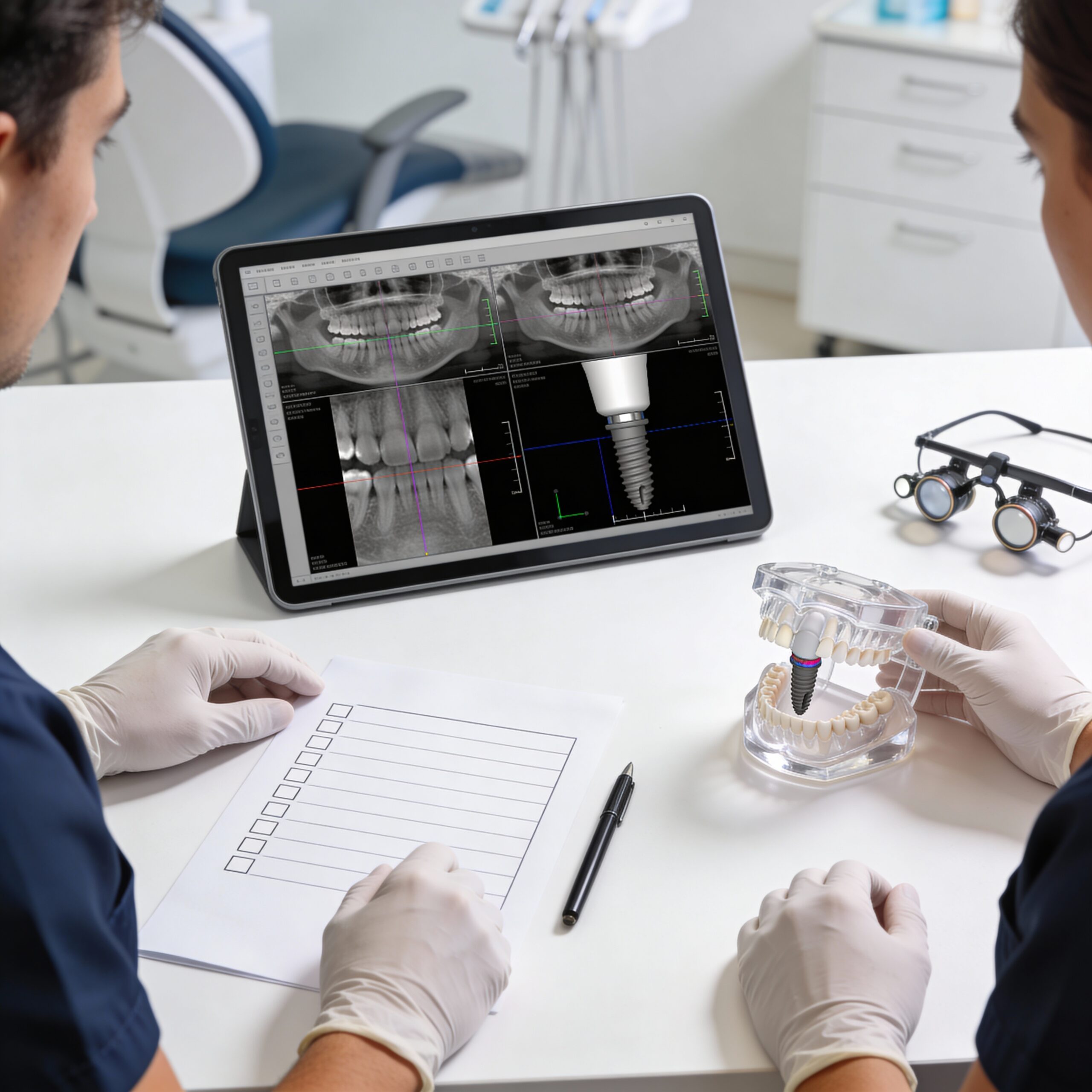
Looking forward, integration of laser dentistry with Digital Smile Design (DSD) and three-dimensional imaging promises greater accuracy in treatment planning and execution. Moreover, emerging research into photobiomodulation suggests exciting new applications in enhancing wound healing and tissue regeneration.
In summary, lasers are no longer ancillary tools but rather strategic assets in contemporary esthetic dentistry. Although they require financial investment and professional training, their clinical and esthetic benefits justify their inclusion as a standard component of modern dental practice. For clinicians committed to evidence-based, patient-centered care, dental lasers offer an invaluable pathway toward more predictable and minimally invasive outcomes.