Clinical Dental Training: Hands-On Patient Experience & Impact
Clinical dental training on real patients represents the cornerstone of modern dental education, bridging the critical gap between theoretical knowledge and practical competency. As dentistry continues to evolve with new technologies and complex patient needs, hands-on experience has become essential for developing skilled, confident practitioners who can deliver exceptional patient care.
Why Clinical Dental Training Experience Matters
Traditional dental education has long emphasized theoretical foundations, but the application of this knowledge in real clinical dental training settings is equally vital. Research demonstrates that students who engage in practical training perform 30% better in complex procedures compared to those relying solely on lectures. Undergraduate clinical training is more effective for increasing students’ understanding of the clinical significance of dental treatment and its connection to systemic health.
At BAIRD Academy, we recognize this critical need through our comprehensive clinical dental training programs that provide extensive hands-on experience with actual patients. Our courses offer unlimited patient exposure—with some programs providing opportunities to work with minimum 150 patients over six months. This approach ensures graduates develop unsurpassed clinical experience from diagnosis through to final treatment.
Building Essential Clinical Skills Through Hands-On Training
Hands-on clinical dental training provides future dentists with opportunities to sharpen technical abilities under experienced mentorship. Simulation labs and clinical externships allow students to practice real procedures in controlled environments that replicate actual clinical settings. Students learn to use essential dental tools, work with different materials, and perform common procedures like restorative work, extractions, and implant placements.
The correlation between clinical training extent and knowledge acquisition is well-established. Studies have identified a highly significant relationship between the amount of clinical dental training and the ability to acquire and apply clinical knowledge effectively. Our 1:1 clinical training model at BAIRD ensures each student receives personalized guidance, maximizing their learning potential.
Developing Patient Communication Skills
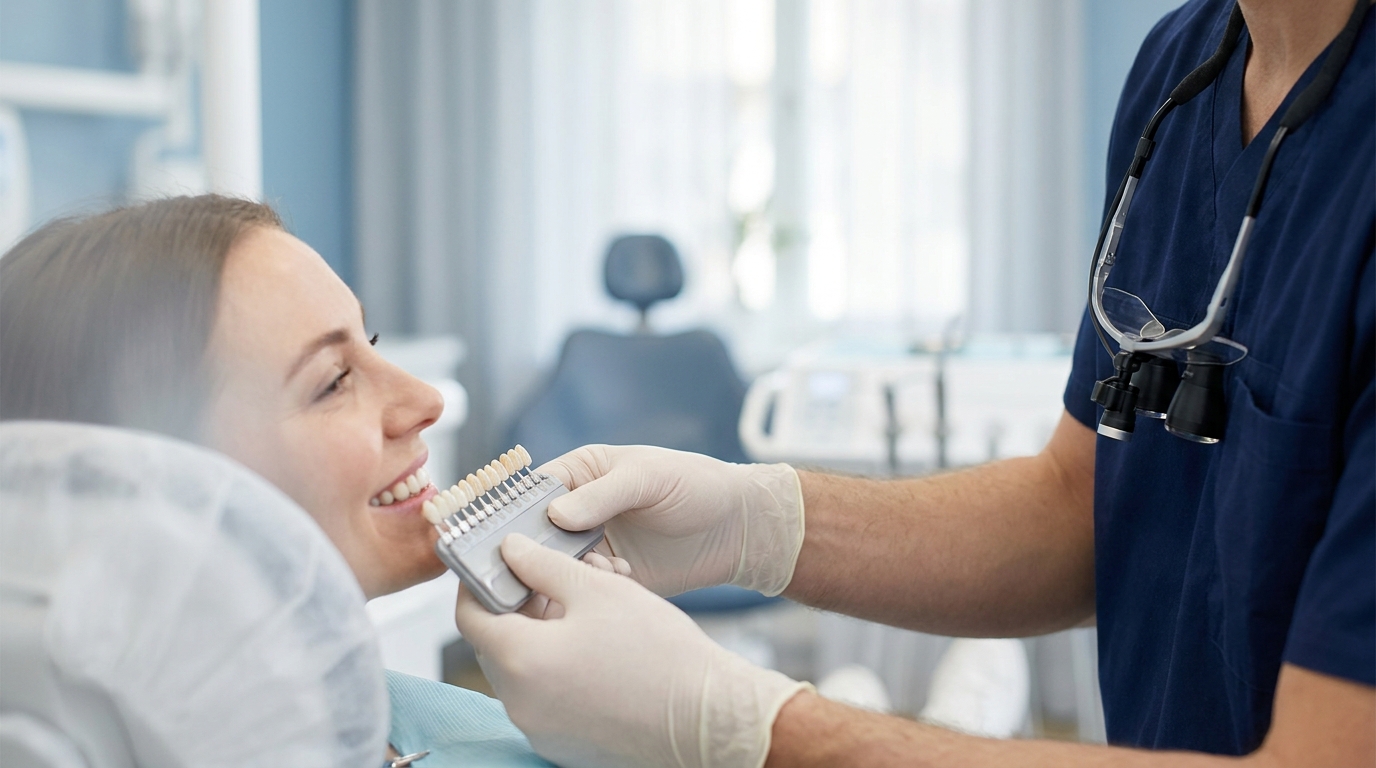
Beyond technical proficiency, clinical dental training helps students develop crucial soft skills. Effective communication and patient interaction are vital for successful dental practice. During practical courses, students engage with real patients, learning to put them at ease and manage their anxieties—skills that significantly increase patient satisfaction rates by 25%.
Clinical education plays a crucial role in consolidating students’ learning while developing their ability to communicate effectively with patients. This training heightens students’ sense of responsibility, cooperation, and clinical thinking—attributes essential for professional development.
Boosting Confidence and Competence Through Practice
One of the most significant benefits of hands-on clinical dental training is the confidence it instills. The more practical experience students gain, the more assured they feel in their clinical abilities. Confident dentists communicate more effectively, make quicker informed decisions, and achieve higher success rates in procedures.
Studies show that students who respond positively about their clinical experience express significantly higher confidence in their abilities across several clinical tasks. This self-assurance is crucial when practitioners join dental teams or establish their own practices, directly impacting patient outcomes and treatment quality.
Preparing for Real-World Dental Challenges
No amount of theoretical education can replace real-world experience. The complexities of dental practice often include unexpected challenges that require quick thinking and adaptability. Hands-on clinical dental training prepares students to tackle these issues in supportive learning environments, helping them become adaptable practitioners capable of devising solutions to real-life problems.
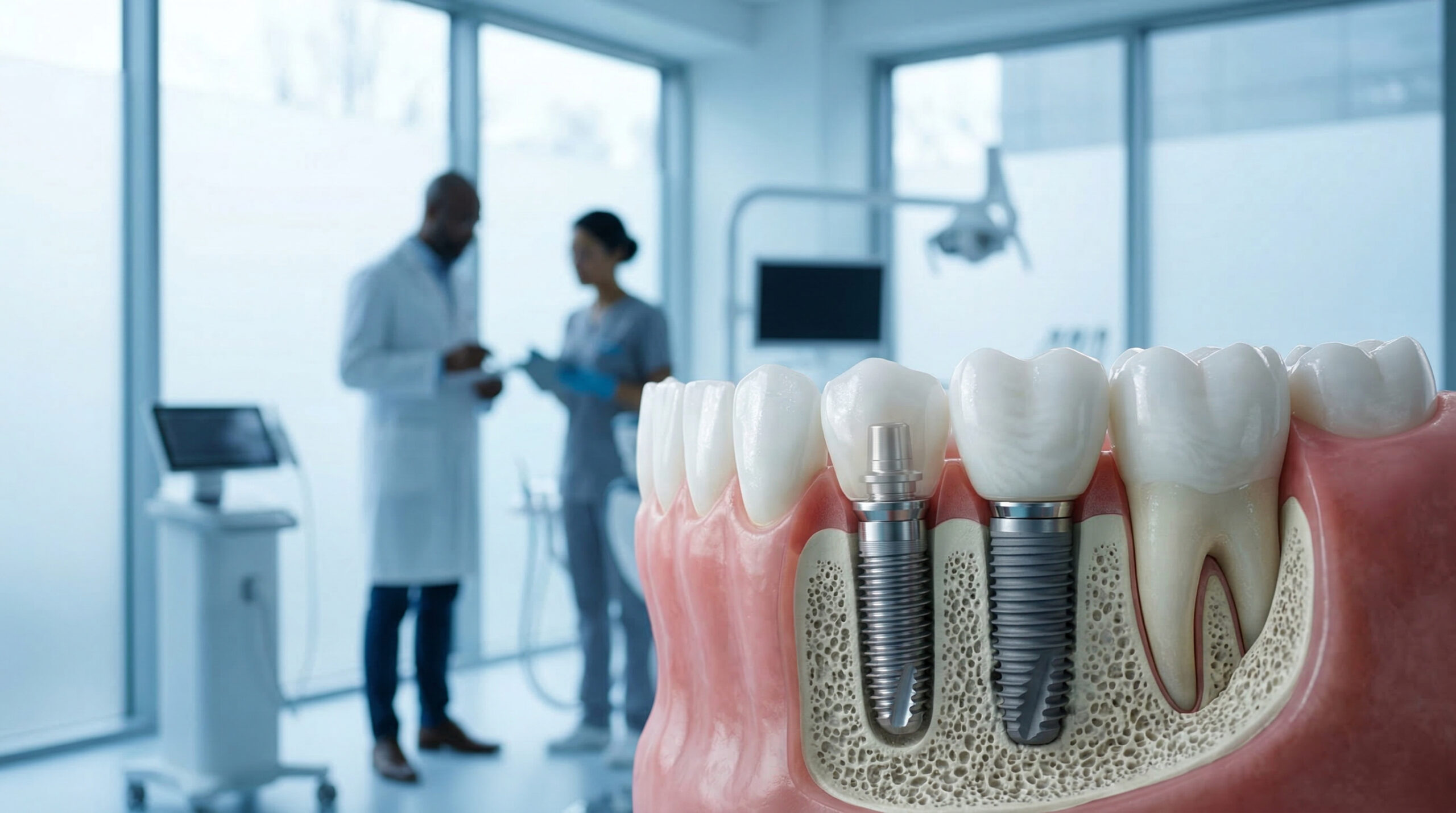
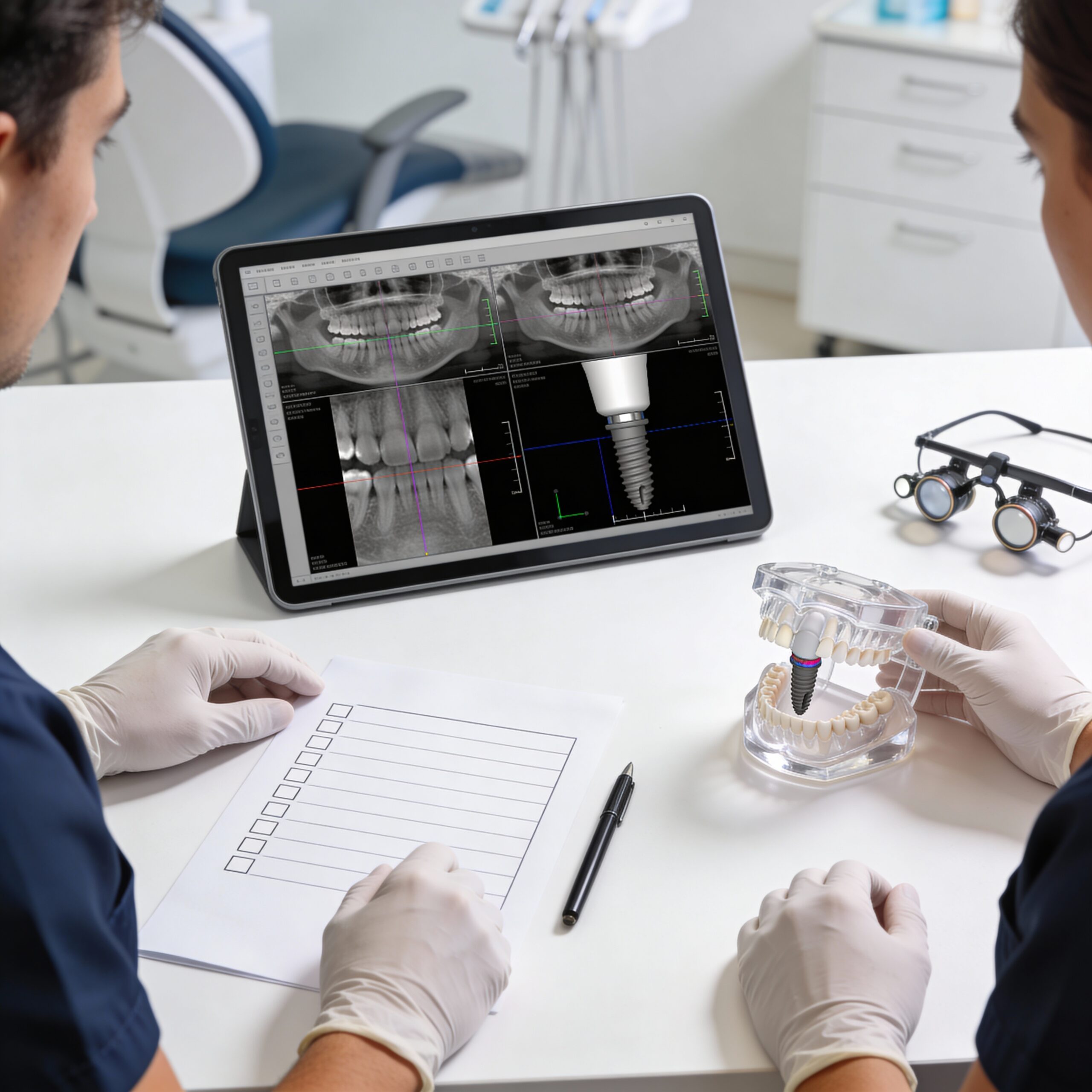
BAIRD’s comprehensive programs covering modules in implant dentistry, aesthetic rehabilitations, and advanced restorative techniques ensure graduates are prepared for the full spectrum of clinical scenarios they will encounter. By facing realistic scenarios during training, students develop critical thinking skills and resilience—invaluable traits for any dental professional.
The BAIRD Academy Clinical Training Approach
At BAIRD Academy, we structure our clinical dental training programs to maximize clinical exposure through intensive hands-on sessions conducted over multiple modules. Our Professional Diploma programs span 16 training days with comprehensive coverage of the latest concepts and techniques. Students benefit from working with experienced instructors who provide personalized guidance throughout the learning journey, ensuring each participant masters both theoretical knowledge and practical application.
Our commitment to hands-on training reflects our understanding that practical experience is the foundation of effective dental education. By investing in comprehensive clinical dental training, we cultivate skilled, adaptable, and empathetic dental professionals who deliver superior patient care.
Conclusion: The Future of Dental Education
Clinical dental training on real patients is not just beneficial—it’s essential for developing competent, confident dental professionals. Through BAIRD Academy’s comprehensive approach